
Ukraine’s drone strikes hit Russia’s heartland, reshaping the war’s balance
Ukrainian drones strike Moscow and St Petersburg, shifting war dynamics in favor of Kyiv.
—
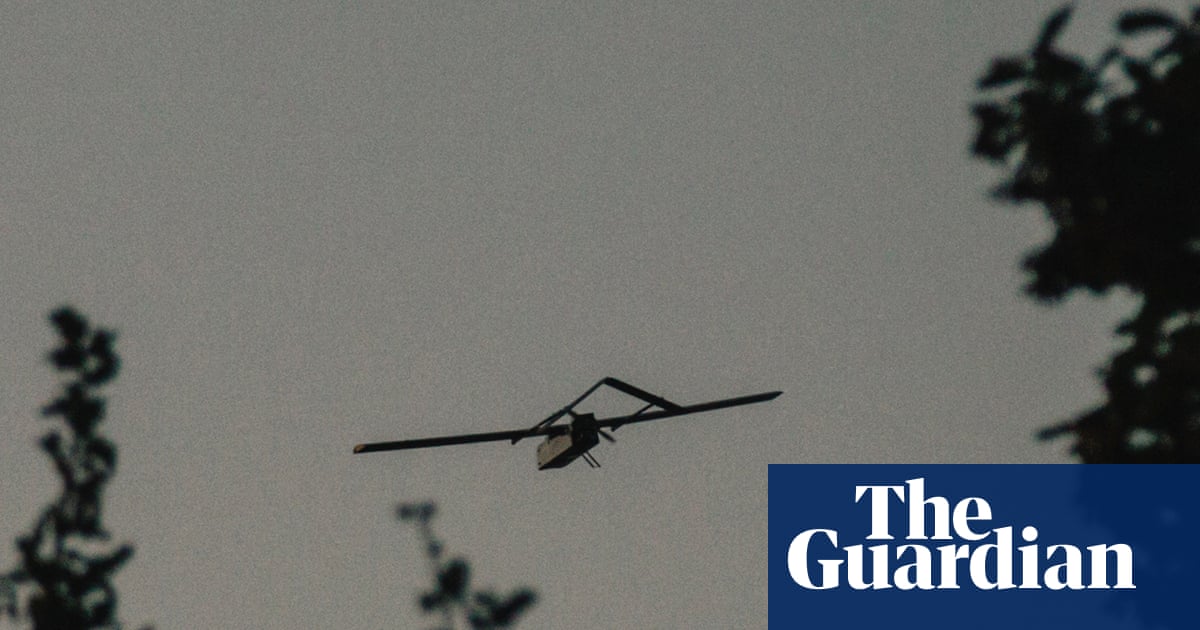
Ukrainian drones have struck Moscow and St Petersburg, marking a turning point in the war as Kyiv’s long-range strike forces target Russian territory directly. The attacks, part of a broader campaign to disrupt Russian logistics and morale, have brought the conflict closer to Russian civilians, challenging the perception of the war as a distant battle. The strikes, carried out by elite units like the 414th Unmanned Strike Aviation Brigade, known as Magyar’s Birds, have forced Russia to confront the reality of its vulnerability. The operation, described by Ukrainian commanders as a strategic shift, has intensified pressure on Moscow’s military and economic infrastructure, altering the war’s trajectory.
Ukrainian drones reshape the battlefield
The use of long-range drones has transformed the war into a contest of technology and strategy, with Kyiv leveraging its growing capabilities to strike deep into Russian territory. In 2026, Ukrainian drones have targeted key locations, including the Russian-occupied Crimea and the capital of the Russian Federation. These strikes, often launched from hidden positions in rural Ukraine, have disrupted Russian supply lines and infrastructure, creating a psychological impact that extends beyond physical damage. “The socio-psychological impact on society is greater than that of an oil refinery,” said Robert Brovdi, commander of Ukraine’s unmanned systems forces, highlighting the broader implications of the campaign.
Ukraine’s strikes have forced Russia to divert resources to protect its own territory, a shift that has exposed the limitations of its vast geography. “Russia’s enormous size – once a strategic strength – has turned into a weakness,” Brovdi noted. The inability of Russian military groups to maintain fuel supplies in Crimea has further hampered their operations, as frequent power cuts and fuel shortages have disrupted drone launches. “Crimea now has so little fuel that Russian military groups are sometimes unable to fill up and launch drones,” said one brigade member, emphasizing the strategic advantage Kyiv has gained.
Elite units and the human cost of the campaign
Ukraine’s drone operations are conducted by highly trained units, such as the 414th Unmanned Strike Aviation Brigade, which has carried out hundreds of deep strikes against Russian targets. Commanders like Lt Col Ray, leader of the ninth ‘Kairos’ Battalion, describe the missions as a form of justice and revenge. “We didn’t start this war. We have no choice. We are fighting for our independence, for our people, for the memory of those who have died, and for our future,” Ray said. The operation is secretive, with crews receiving last-minute coordinates and operating under strict confidentiality. “You can’t tell anybody about what you do, even your wife,” one operator said, highlighting the isolation and risk involved.
Despite the challenges, the campaign has achieved significant results. Ukrainian drones have struck key locations, including Moscow and St Petersburg, embarrassing Russian leadership and bringing the war home to ordinary citizens. “One of the justifications he gave for his war was to stop Ukraine from [potentially] bombing Moscow. It’s happening now as a direct consequence of his actions,” Ray said, reflecting on the strategic impact of the strikes. The campaign has also disrupted Russian supply chains, forcing the Kremlin to reallocate resources to protect its own territory. “The situation is humiliating for Russia,” said Schweik, a member of the unit, as the drones vanished into the night.