
Governance reform crucial for Pakistan’s security, says ISPR chief
Pakistan’s security chief stresses governance reform as key to counterterrorism success.
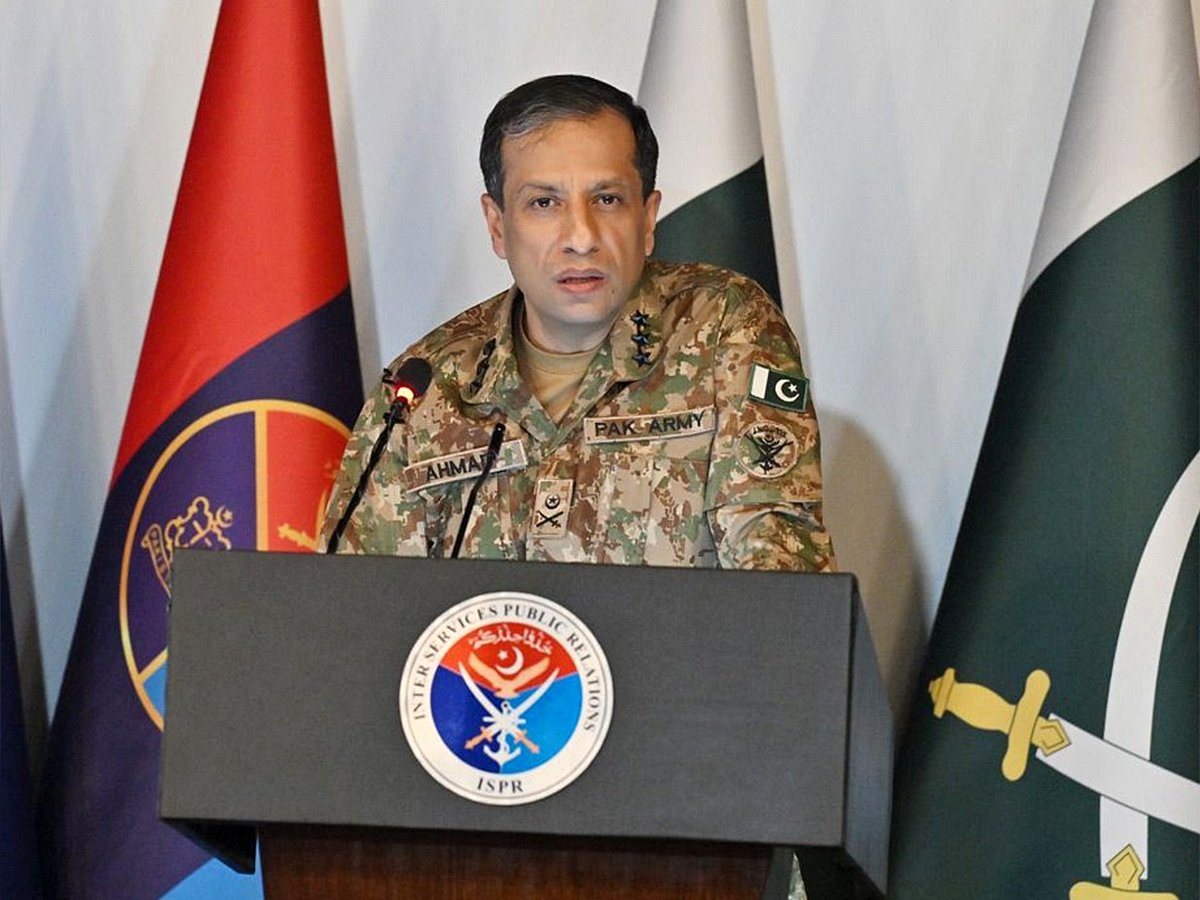
Pakistan’s military leadership has emphasized that governance reform is essential for long-term security, warning that weak institutions and political instability remain central challenges in the fight against terrorism. During a detailed press briefing on Friday, Director General Inter-Services Public Relations (ISPR) Lieutenant General Ahmed Sharif Chaudhry highlighted the need for effective administration, rule of law, and stronger civilian institutions to address the root causes of militancy and ensure national stability. The briefing, which focused on the security situation in Balochistan, underscored the limitations of security operations alone in resolving the country’s deep-rooted issues.
Counterterrorism efforts intensify with record operations
Security forces conducted 40,348 intelligence-based operations in 2026, involving the army, police, civil armed forces, and intelligence agencies, according to the DG ISPR. Over 31,000 of these operations were carried out in Balochistan, where militant attacks, separatist violence, and development challenges have persisted. During the same period, Pakistan recorded 3,145 terrorism incidents, with Khyber Pakhtunkhwa and Balochistan accounting for the majority. The military spokesperson noted that 2,084 terrorists were killed, averaging around 10 militants eliminated daily, but the human cost remained significant, with 819 Pakistanis, including civilians and security personnel, killed in terrorism-related incidents.
Reforms and political consensus key to long-term stability
The DG ISPR linked the success of Pakistan’s National Action Plan (NAP) against terrorism to governance reforms, stressing that the plan, developed through political consensus, included 14 key elements. These ranged from countering extremist narratives to improving law enforcement capacity and managing refugee issues. However, the effectiveness of these measures depends on strong governance, the military leadership argued. Good governance is quintessential for Pakistan, he said, adding that without it, “none of Pakistan’s issues could be resolved.” The DG ISPR also questioned whether the country’s existing governance model was sufficient for a population that has grown fivefold over decades, calling for elected representatives to lead the debate on reforms.
Addressing the Balochistan issue, the DG ISPR identified governance gaps, economic disparities, and resistance to social change as key factors contributing to instability in the province. He criticized “elitism and sardarism” and the preservation of old power structures as obstacles to progress. The military spokesperson emphasized that the state’s response must combine security operations with direct engagement with citizens, development initiatives, and the strengthening of public institutions. He also clarified that a “hard state” does not mean military dominance but rather a system where constitutional authority, equality before the law, and justice prevail. Strengthening institutions and restoring public trust are essential to preventing grievances from being exploited by militant groups.
The briefing underscored Pakistan’s dual challenge: defeating armed groups on the battlefield while addressing governance weaknesses that allow insecurity, mistrust, and instability to persist. The military leadership’s message was clear: counterterrorism requires more than weapons and operations. It requires functioning institutions, political consensus, and a governance system capable of delivering security, justice, and development to citizens. As the country continues its long counterterrorism struggle, the focus on governance reform remains a critical component of its strategy for lasting peace and stability.